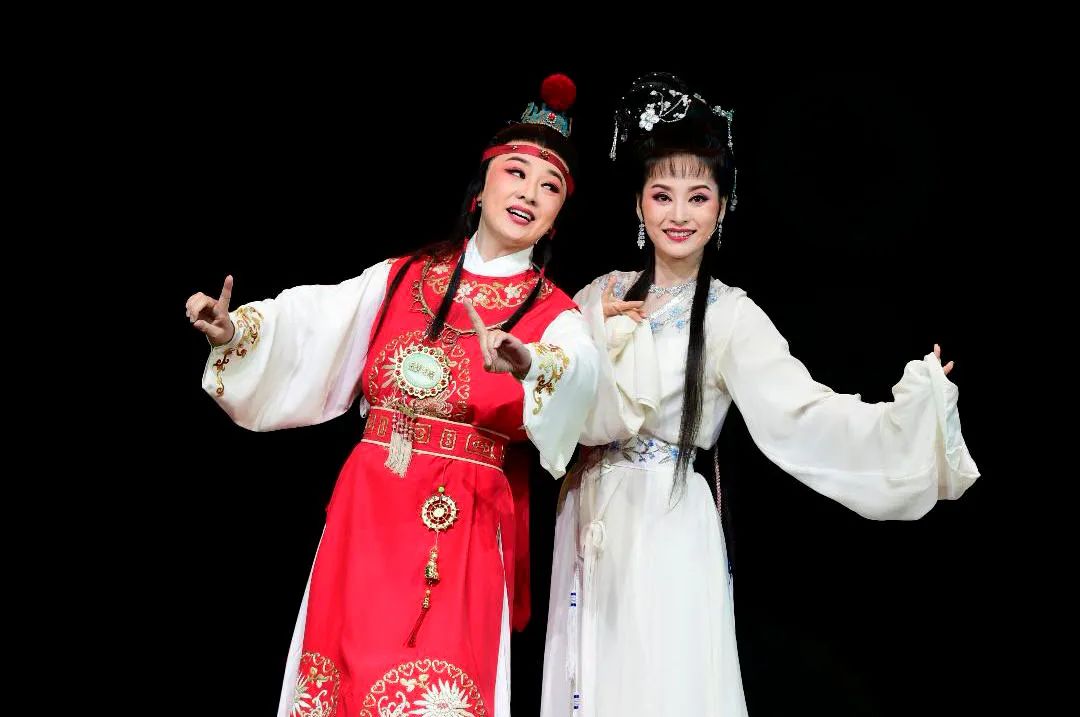
Huangmei Opera
Overview
Huangmei Opera, considered one of the five major traditional operas in China, has its roots in Huangmei county, Hubei province, and later expanded into Anqing, Anhui province. Known for its melodious tunes, graceful dance movements and expressive singing style, Huangmei Opera integrates elements of folk music and pastoral songs, rendering it widely appealing for both refined and popular tastes. Originally sung by women picking tea, it evolved into a significant form of Chinese opera, characterized by its simple, smooth arias and rich expressiveness.
Historical Background
Huangmei Opera dates back to the Tang Dynasty (618-907) and has undergone several transformations through the Song (960-1279), Yuan (1271-1368), Ming (1368-1644), and Qing (1644-1911) dynasties. Initially developed from the Picking Tea Song, it incorporated folk ditties and poetic dramas, gradually forming its unique style.
Musical Characteristics
The music of Huangmei Opera is distinguished by its coloratura melodies which are simple, cheerful and infused with the vitality of folk songs. These tunes have been developed from various regional folk songs, adapting them into dramatic situations. The arias are noted for their clarity and emotional expressiveness, making Huangmei Opera accessible and popular among diverse audiences.
Cultural Significance
Recognized as a national intangible cultural heritage in 2006, Huangmei Opera has played a vital role in preserving Chinese cultural traditions. It is celebrated for its lyrical singing and use of everyday language, which make it relatable and engaging for audiences. The opera continues to evolve, incorporating new elements and addressing modern themes, thereby ensuring its relevance and continuity.
Notable Works and Adaptations
Huangmei Opera has a rich repertoire that includes both traditional and modern plays. Classics such as "Fairy Couple" (Tianxianpei), "The Cowherd and Weaver Girl" (Niulang Zhinü) and "The Emperor’s Female Son-in-Law" (Nü Fuma) are based on Chinese legends and folklore.
The Anhui Huangmei Opera Theater, originally established as a troupe in 1954, has been instrumental in promoting and developing Huangmei Opera. It boasts a history of producing over 400 plays, many of which have received national and international acclaim. Artists such as Yan Fengying, Ma Lan and Han Zaifen have been pivotal in popularizing Huangmei Opera, both domestically and abroad.
Current Trends and International Exposure
In recent years, Huangmei Opera has gained international attention through performances and cultural exchanges. Artists have embraced modern technologies, such as livestreaming to reach wider audiences and engage with younger generations. Additionally, collaborations with international artists and the inclusion of Huangmei elements in global music projects highlight the opera's expanding influence. Article reference1. Huangmei Opera: An operatic art that has evolved from the ballads sung by women while picking tea leaves. chinaservicesinfo.com. 20192. Transforming tradition. chinaservicesinfo.com. 20233. Huangmei Opera tale brings fresh perspective. chinadaily.com.cn. 20234. Opera star to shine in inspirational roles. chinadaily.com.cn. 20215. Huangmei Opera Theater of Anhui province. chinaservicesinfo.com. 2017Photo Gallery(14 pictures)CategoriesArtsTagOpera and DramaIntangible Cultural HeritageRelatedHuagu Opera Theater of Hunan ProvinceCatalogue1. Overview2. Historical Background3. Musical Characteristics4. Cultural Significance5. Notable Works and Adaptations6. Current Trends and International Exposure- - - []








